What M&S cyber attack can teach you about cybersecurity
By Luke Sanders |
The recent cyber attack on Marks & Spencer (M&S) in early 2025 has sent shockwaves through the retail industry and beyond. This high-profile security breach not only affected one of the UK's most trusted retailers but also highlighted critical vulnerabilities that exist in many organizations today. In this article, we'll examine what happened, the consequences, and most importantly, the lessons that businesses of all sizes can learn from this incident.
The Attack: What Happened
In February 2025, M&S discovered unauthorized access to their customer database, which had been ongoing for approximately three weeks. The sophisticated attack exploited a vulnerability in their third-party payment processing system, allowing attackers to harvest customer data including names, email addresses, phone numbers, and partial payment information.
The breach affected an estimated 1.2 million customers and went undetected initially because the attackers used advanced techniques to mask their activities, mimicking normal system operations while exfiltrating data in small, less detectable batches.
The Aftermath
The consequences for M&S were severe and multi-faceted:
- Financial Impact: Beyond the immediate costs of incident response and system remediation (estimated at £15 million), M&S faced regulatory fines under strengthened data protection regulations.
- Reputational Damage: Consumer trust plummeted, with a 22% drop in customer confidence according to post-incident surveys.
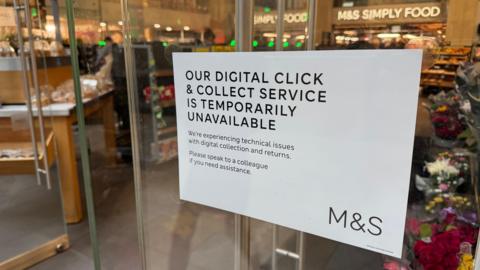
- Operational Disruption: M&S was forced to temporarily shut down its online operations for five days during the investigation and remediation process.
- Legal Consequences: The company faced multiple class-action lawsuits from affected customers.
Key Lessons for Organizations
1. Third-Party Risk Management is Critical
The breach originated through a vulnerability in a third-party system, highlighting the importance of comprehensive vendor security assessments. Organizations must implement rigorous vetting processes for all vendors with access to sensitive data or systems.
2. Detection Capabilities Matter as Much as Prevention
Despite having standard security measures in place, M&S lacked advanced threat detection capabilities that could have identified the unusual data access patterns much earlier. Implementing behavioral analytics and anomaly detection systems is now essential.
3. Response Planning is Non-Negotiable
M&S's incident response was initially chaotic, leading to confused communications and delayed containment. Having a well-documented, regularly tested incident response plan is crucial for minimizing damage when breaches occur.
4. Security Culture Must Permeate the Organization
Post-incident analysis revealed that several employees had noticed unusual system behavior but didn't report it, assuming IT was already aware. Building a security-conscious culture where all staff feel responsible for reporting anomalies is essential.
Implementing These Lessons in Your Organization
To better protect your organization from similar attacks, consider these practical steps:
- Conduct a Third-Party Security Audit: Review all vendors with access to your systems or data and assess their security practices.
- Invest in Advanced Monitoring: Implement solutions that can detect unusual patterns of data access or system behavior.
- Develop and Test Response Plans: Create detailed incident response procedures and conduct regular tabletop exercises to test them.
- Train All Staff: Ensure everyone understands basic security principles and knows how to report suspicious activities.
- Implement Zero Trust Architecture: Move toward a security model that requires verification for every person and system trying to access resources.
Conclusion
The M&S cyber attack serves as a stark reminder that no organization regardless of size or reputation is immune to cyber threats. By learning from their experience and implementing the lessons outlined above, businesses can significantly improve their security posture and reduce the likelihood of suffering a similar fate.
Remember that cybersecurity is not a one-time project but an ongoing process that requires continuous attention, investment, and improvement. The organizations that recognize this reality will be best positioned to protect their data, their customers, and their reputation in an increasingly hostile digital landscape.